Services Solar Inspections
Solar Farm
MAXIMIZE SOLAR PERFORMANCE
Find problems before they impact production.
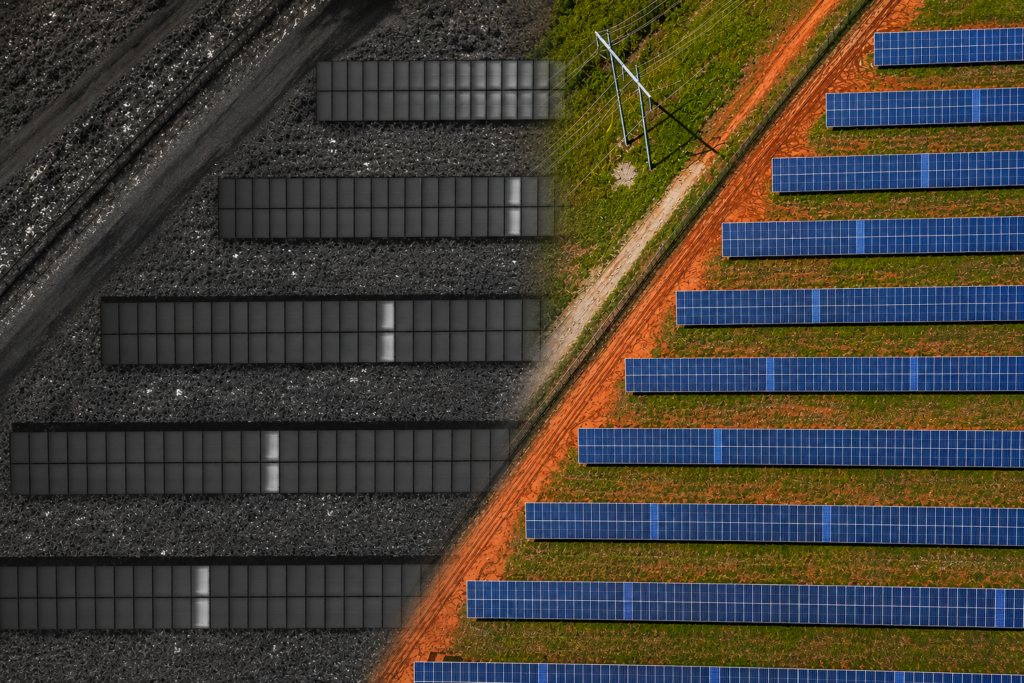
West Georgia Drone Services provides professional drone-based solar panel inspections using high-resolution and thermal imaging technology to identify issues quickly, safely, and efficiently.
Our inspections help detect underperforming panels, hot spots, damaged cells, and system irregularities without interrupting operations.
Perfect for:
✅ Solar Farms
✅ Commercial Solar Arrays
✅ Industrial Facilities
✅ Agricultural Solar Installations
✅ Large Rooftop Solar Systems
Commercial & Residential
Commercial Solar Inspections
Businesses, warehouses, schools, agricultural facilities, and commercial property owners often manage large solar arrays where manually inspecting every panel is impractical.
Drone inspections allow facility managers to quickly identify performance issues, prioritize maintenance, and minimize downtime all while keeping employees safely on the ground.
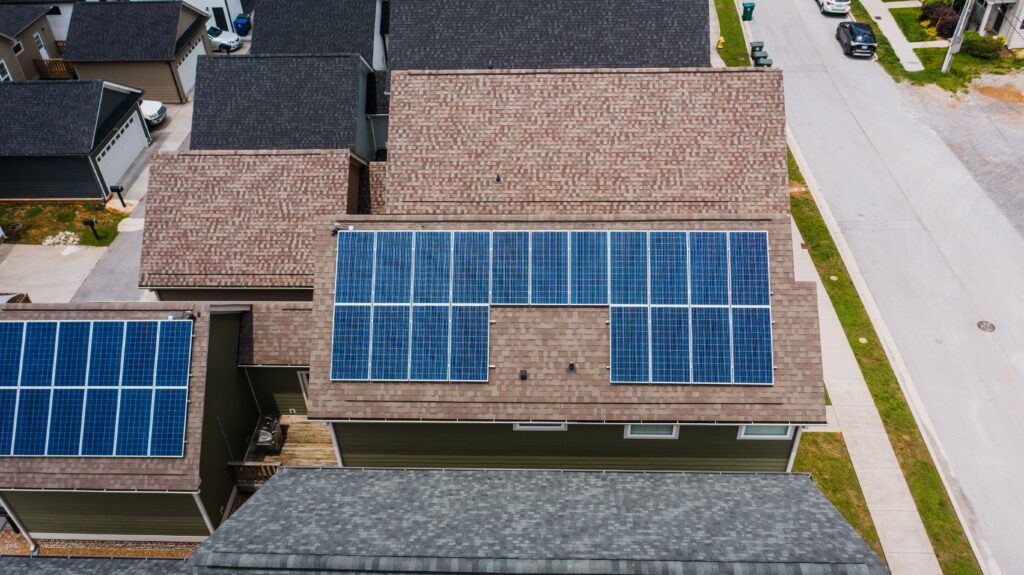
Residential Solar Inspections
For homeowners, routine inspections provide peace of mind by ensuring your rooftop system is producing the energy you expect. Early detection of damaged panels or electrical issues can help protect both your investment and your home’s energy savings.
✅Maximize energy production
✅Detect issues before they become expensive failures
✅Reduce maintenance costs
✅Improve system reliability
✅Extend the life of your solar investment
✅Create detailed documentation for maintenance records or warranty claims
F.A.Q.
Regular inspections help identify damaged panels, loose connections, dirt buildup, vegetation shading, and other issues that can reduce energy production. Detecting problems early can prevent costly repairs and maximize the performance of your solar investment.
Drones equipped with high-resolution and thermal cameras can quickly inspect hundreds or even thousands of panels, identifying underperforming modules and hotspots that may not be visible during a ground inspection. This allows maintenance teams to make targeted repairs and restore system efficiency.
Thermal imaging can detect hotspots, cracked or damaged cells, faulty electrical connections, inverter issues, bypass diode failures, moisture intrusion, and other defects that may lead to reduced power output or equipment failure.
Drone inspections are faster, safer, and more cost-effective than manual inspections. They eliminate the need for technicians to walk across or climb onto solar arrays or roofs, reducing the risk of injury and preventing accidental damage to the panels while still providing detailed inspection data.
Most residential systems should be inspected every 1–2 years, while commercial and utility-scale solar farms often benefit from annual or semi-annual inspections. Additional inspections are recommended after severe storms, hail, high winds, or whenever a noticeable drop in energy production occurs.
You’ll receive high-resolution aerial imagery, thermal images highlighting areas of concern, detailed inspection findings, and a report identifying potential issues. These deliverables help owners, maintenance teams, and installers prioritize repairs and maintain peak system performance.